Scroll
Robotic cells where artificial intelligence inspects every part, even inside the channels the eye cannot reach.
We design and build robotic cells for precision manufacturing. The mechanical side is ours, backed by sixty years of experience; AI vision decides whether the part is good, and keeps the record.
Two standard vision cells, five applications
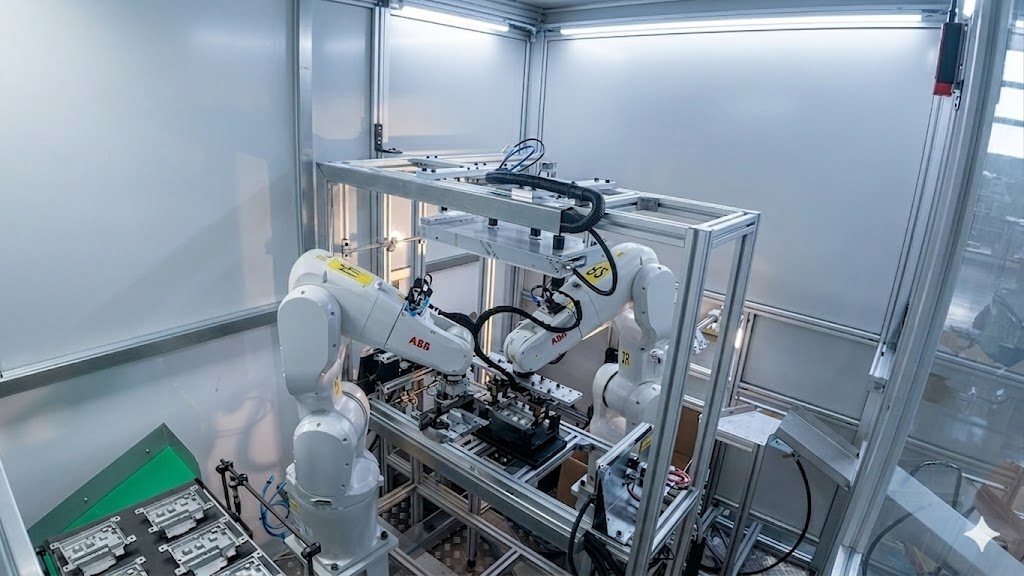
AI surface inspection, 6 s per part
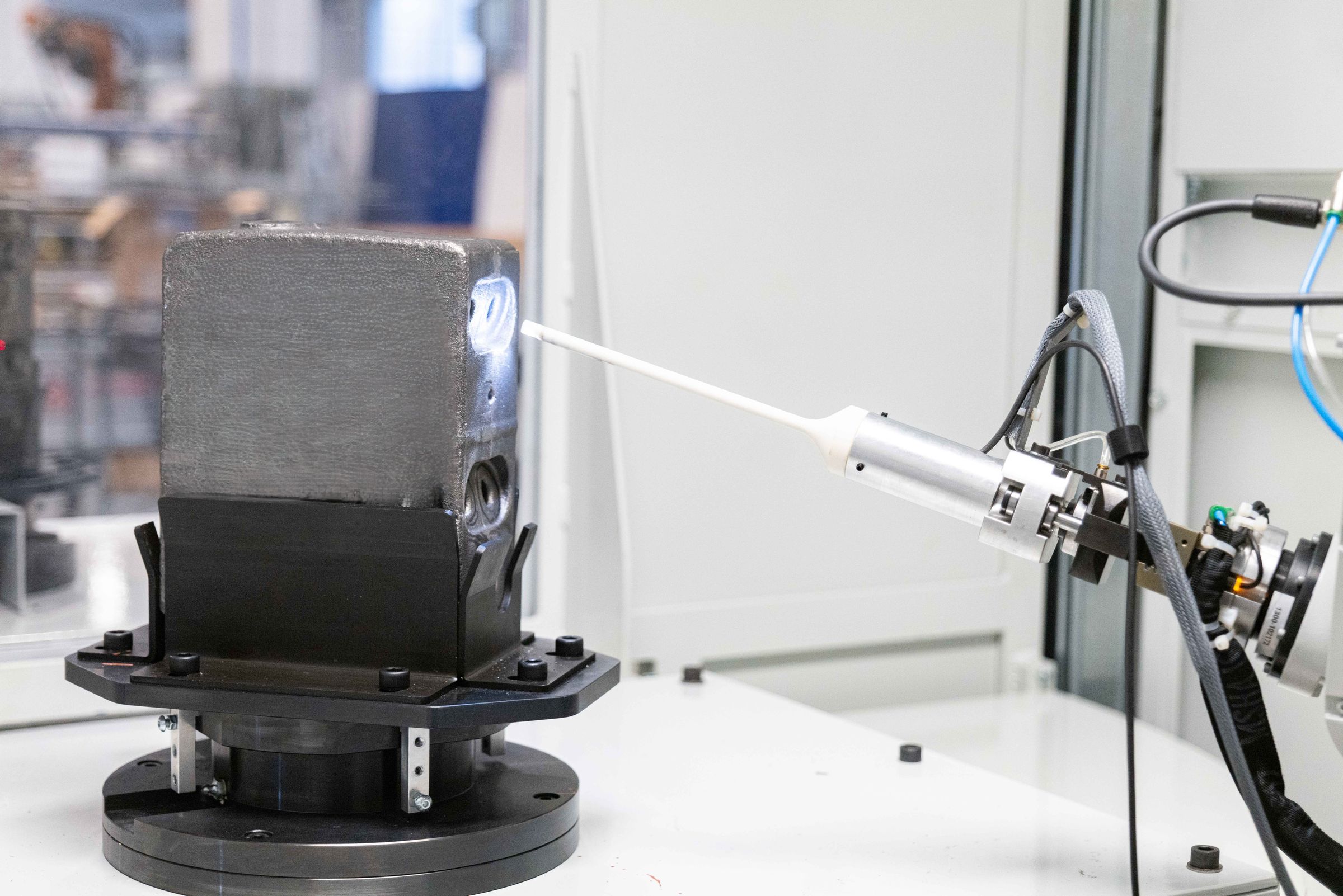
The borescope inside every channel, from 8 mm
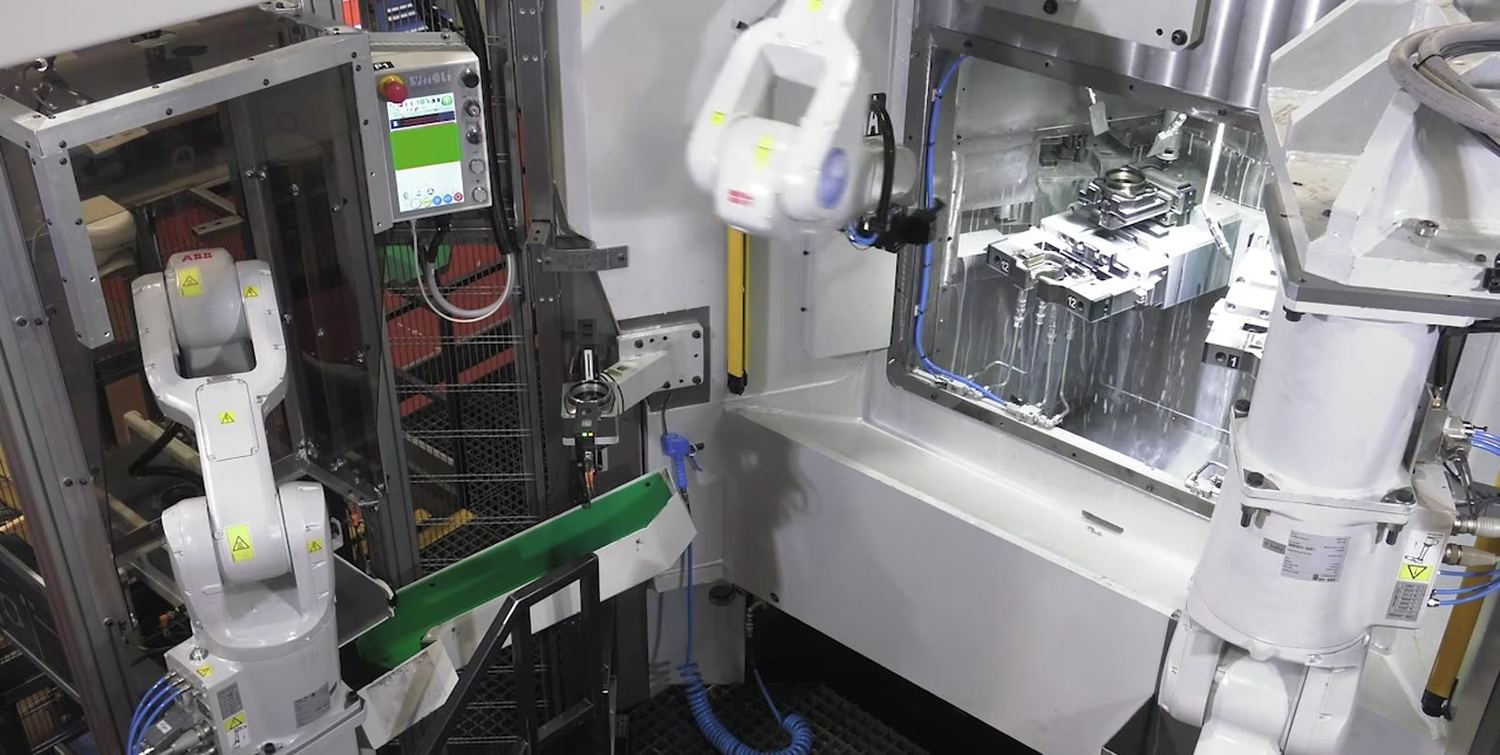
Foresight or AI, depending on how much the part varies
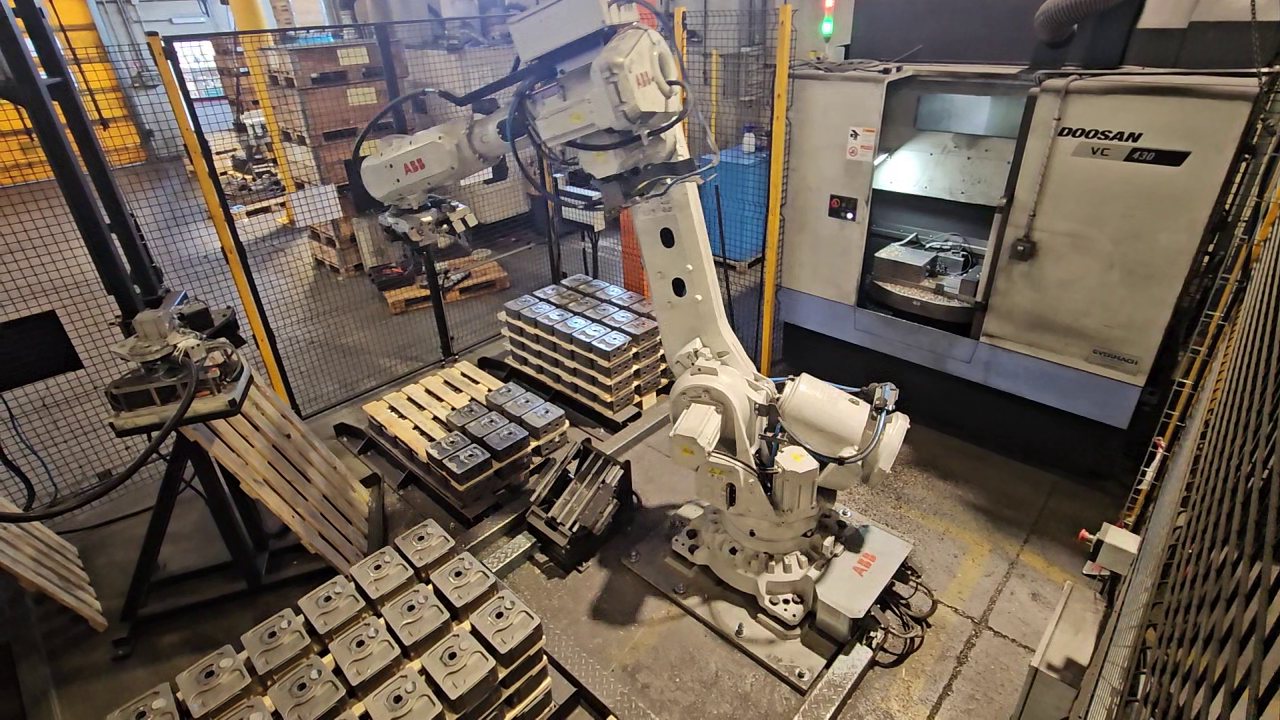
Up to 4 hours unattended
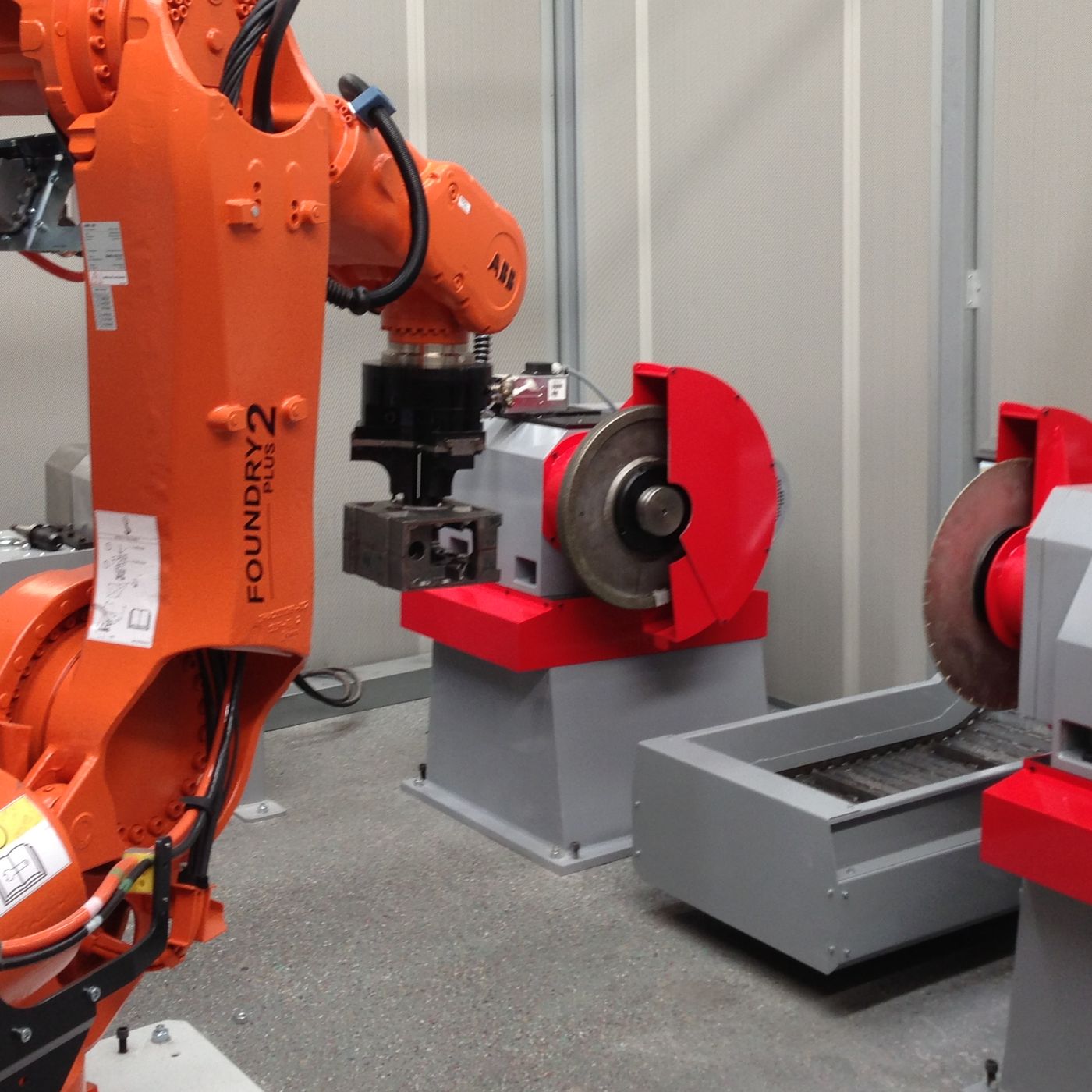
Cast iron and light alloys, path adapted to the casting
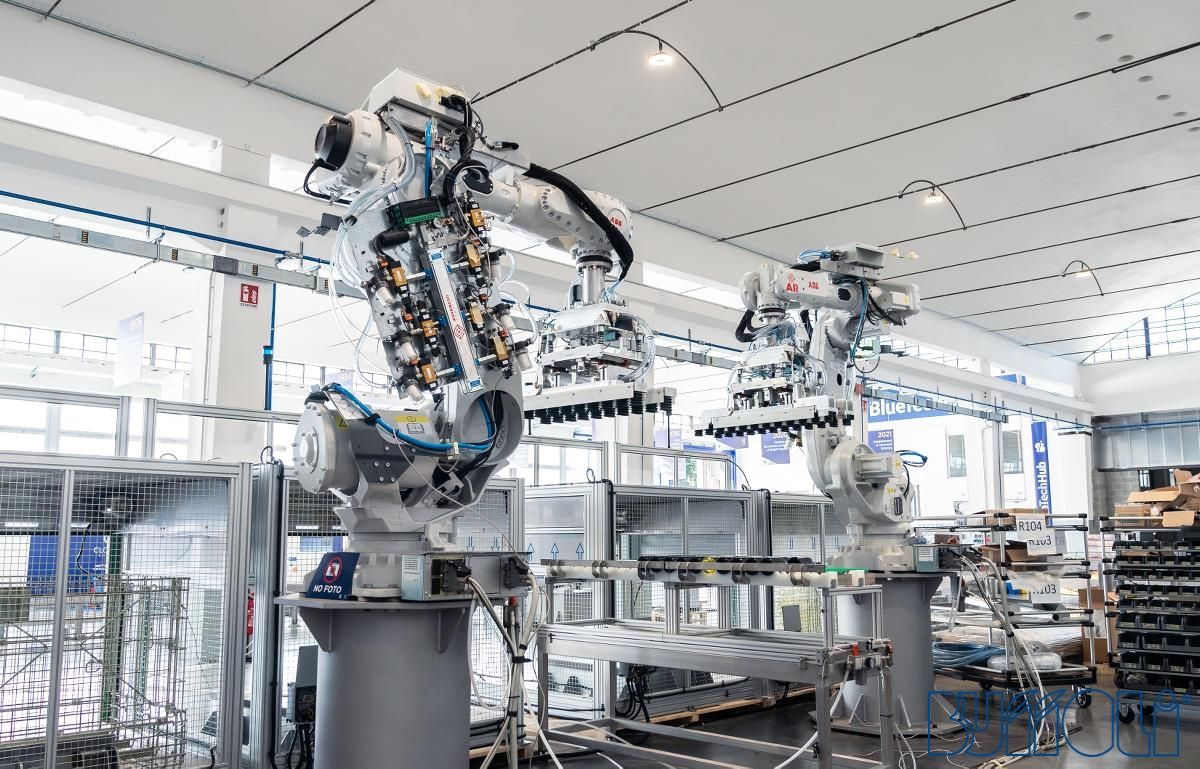
24 bottles per pick, at 7 bar
Mixed SKUs and interleaving, without stopping the line
The starting point
Two inspectors, two verdicts. The same inspector at the end of a shift, a third one. When your customer asks for objective results and full traceability, manual visual inspection stops being defensible.
And finding people for that station gets harder every year.
Internal channels, blind holes, bores a few millimetres wide. Manual borescope inspection is punishing, demands constant concentration and is still only a sample.
The defect that gets through is found by your customer.
What we inspect
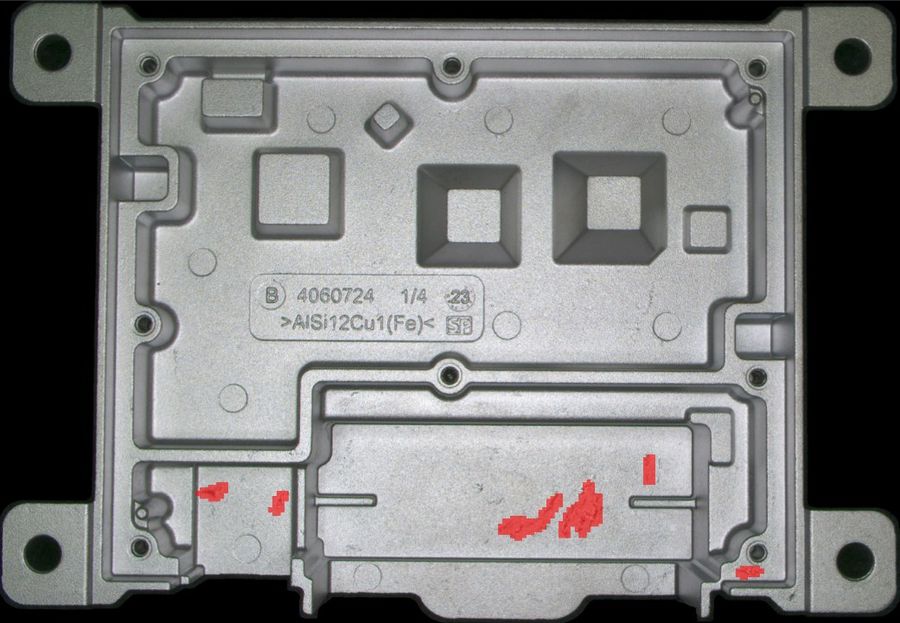
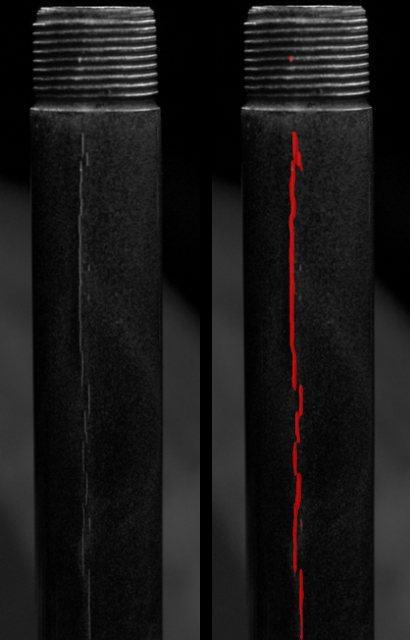
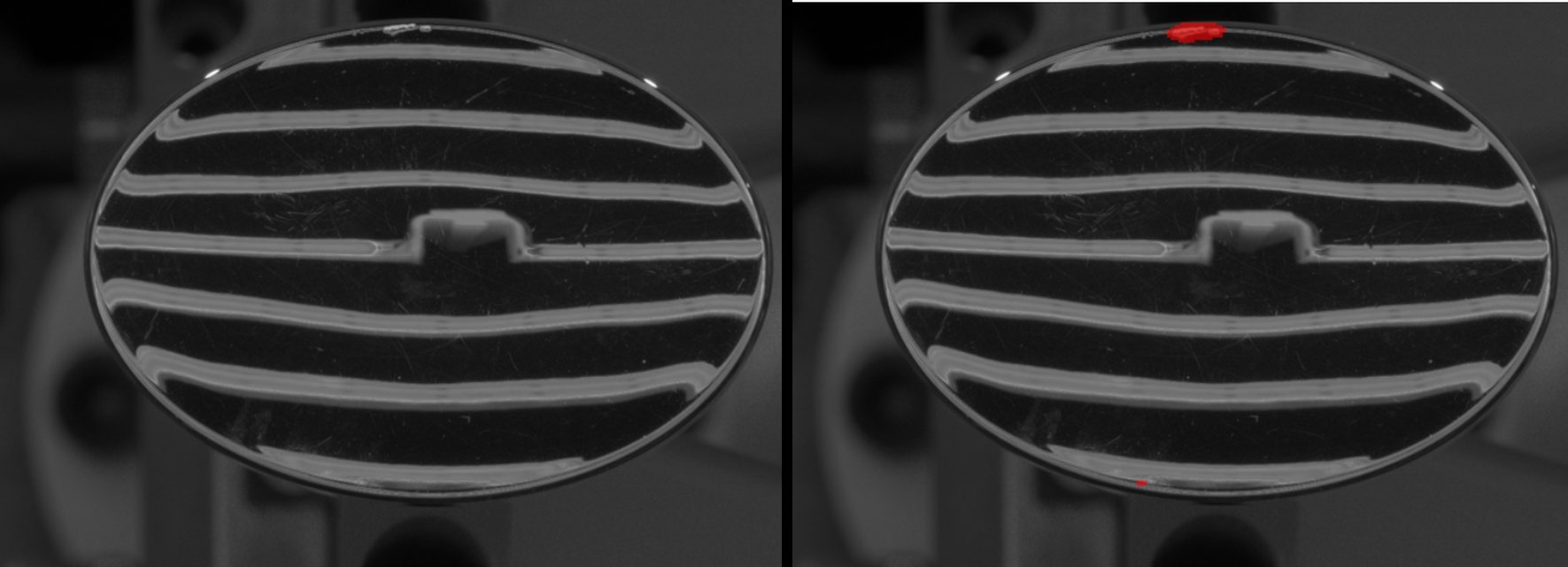
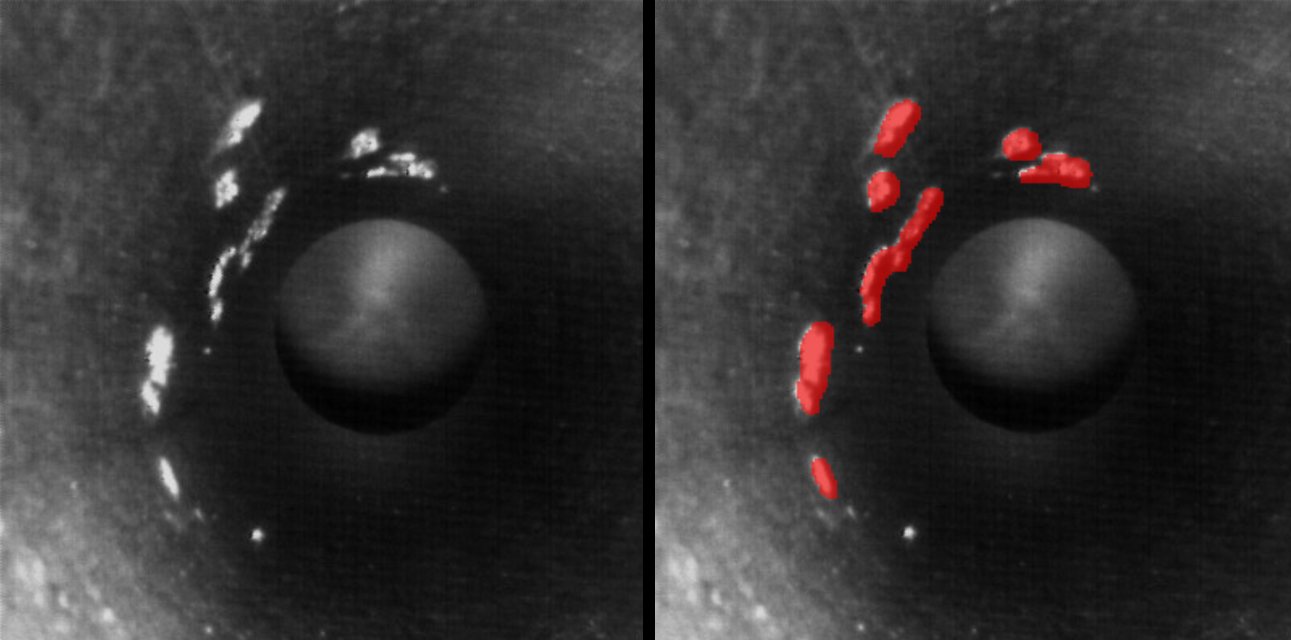
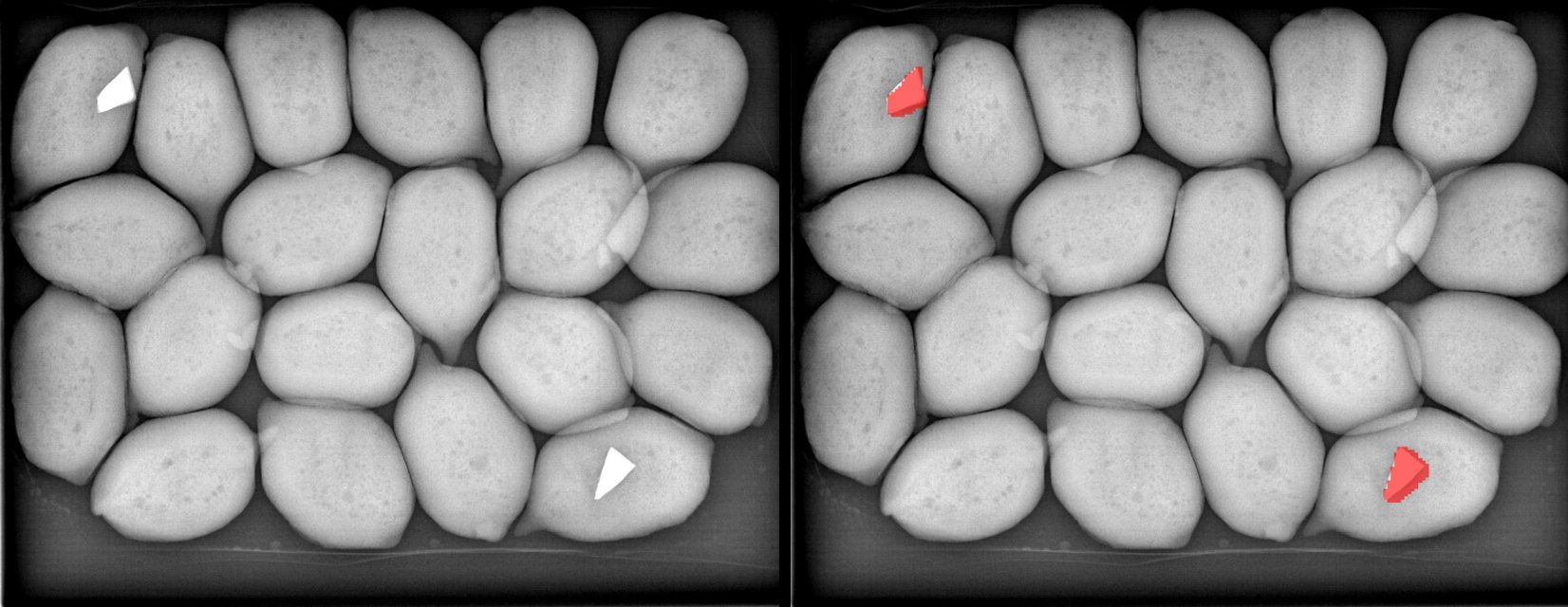
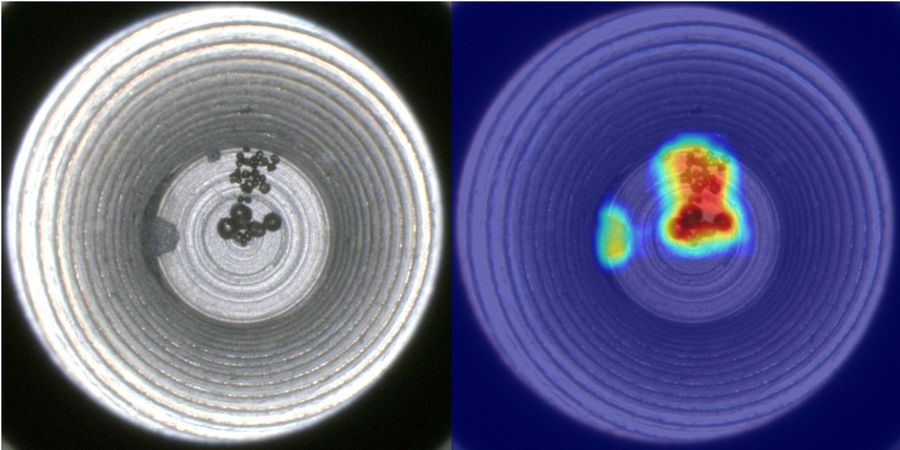
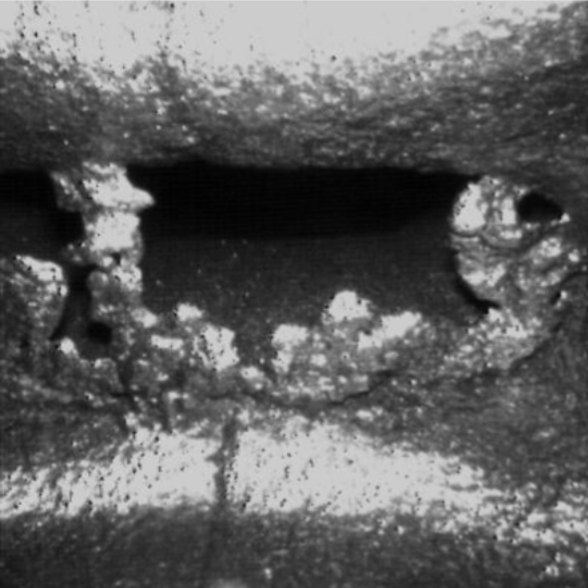
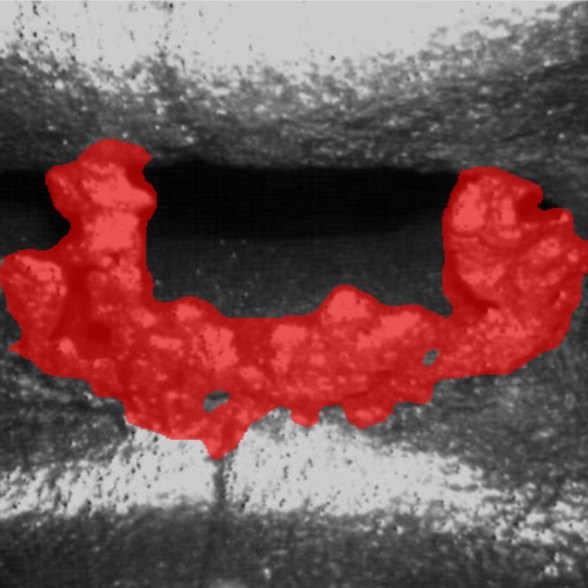
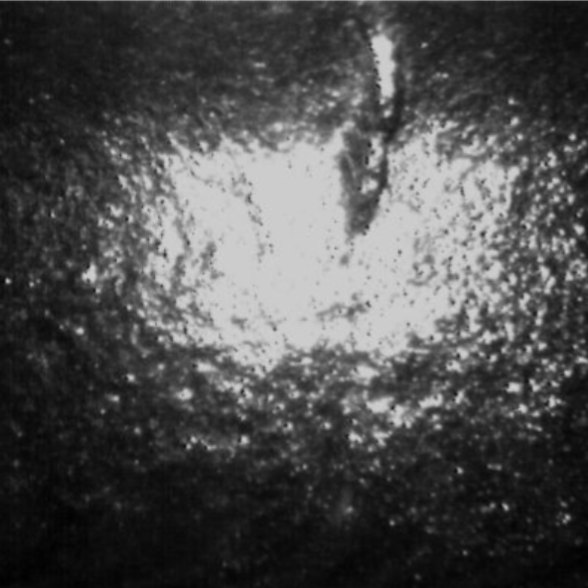
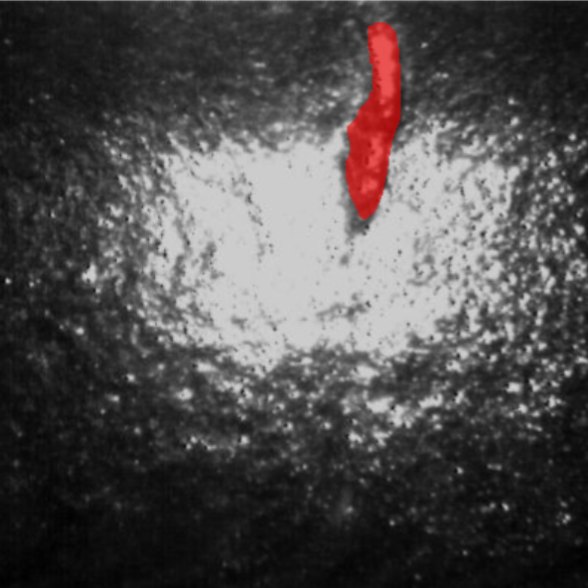
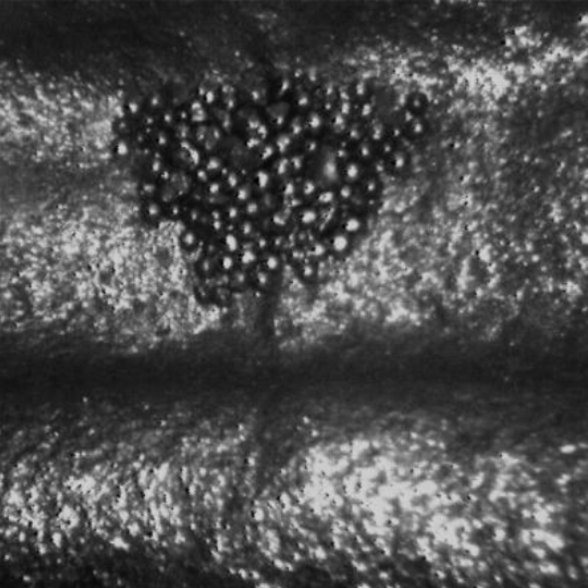
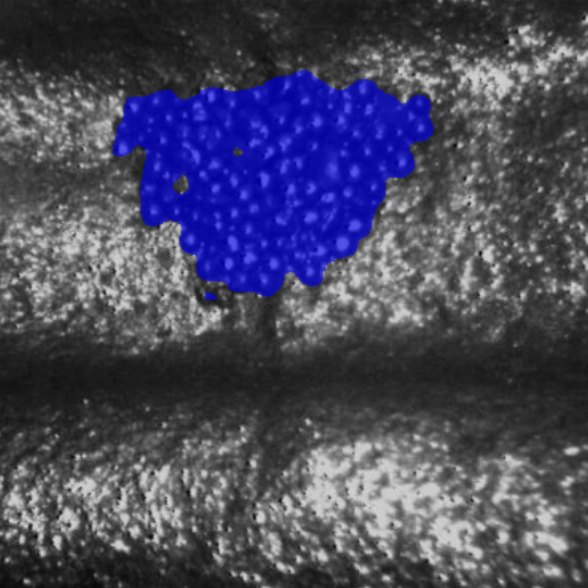
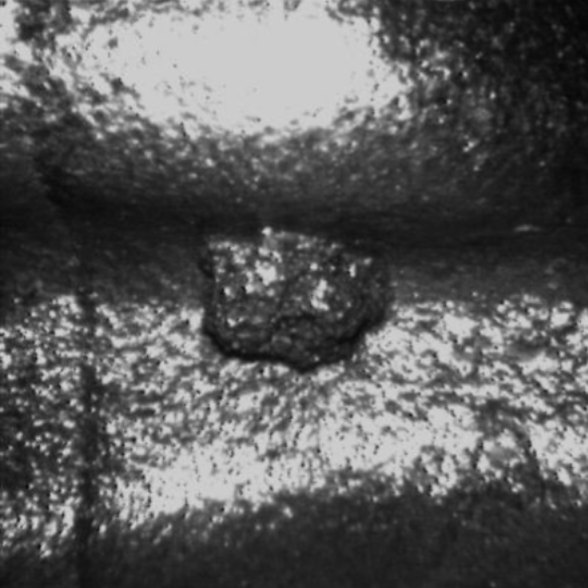
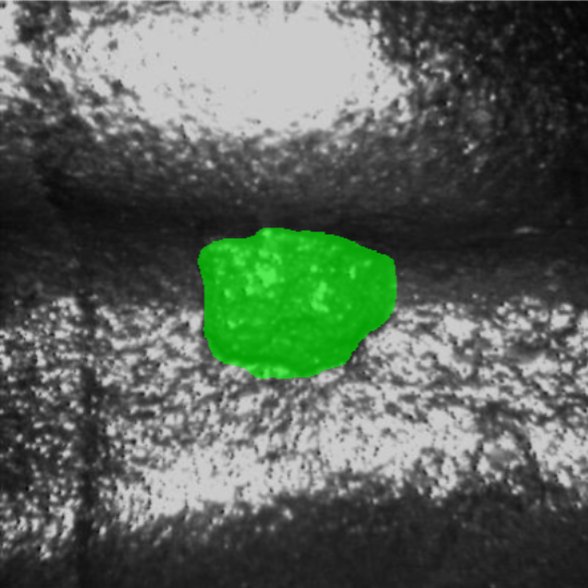
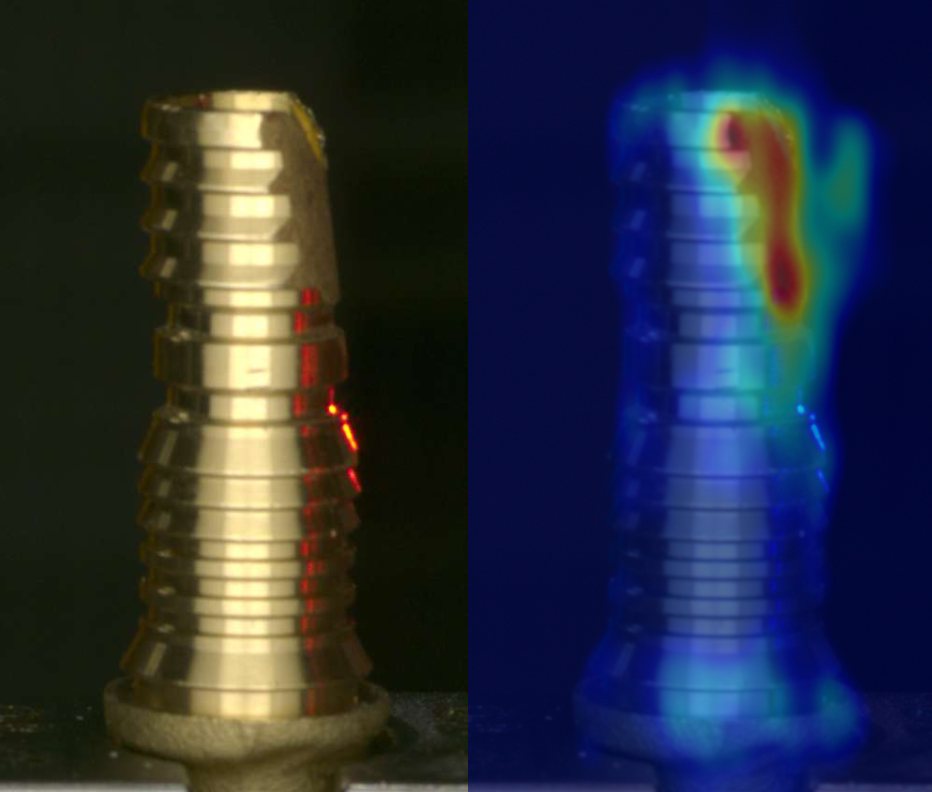
Real analyses on customer samples: on the left the part, on the right what the model saw.

Fittings with missing parts. A good part stays blue; where the model finds something it has never seen, the map lights up.Anomaly detection

Die casting: porosity and flaking, measured pixel by pixel.Segmentation

Fine cracks along the part, followed along their whole length.Segmentation

Missing plating, even on a spot a few millimetres wide.Segmentation

Surface porosity, found pore by pore.Segmentation

Products in a tray: the defect is found even among dozens of similar pieces.Segmentation

Threaded holes with porosity at the bottom, where light barely reaches.Anomaly detection
Bore Inspection Robocell
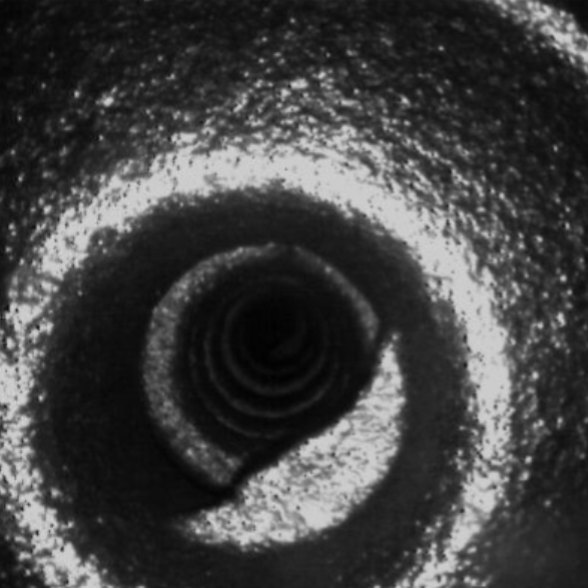
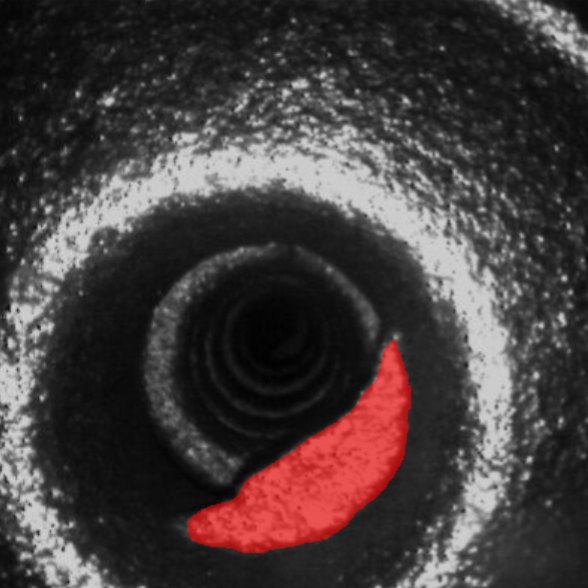
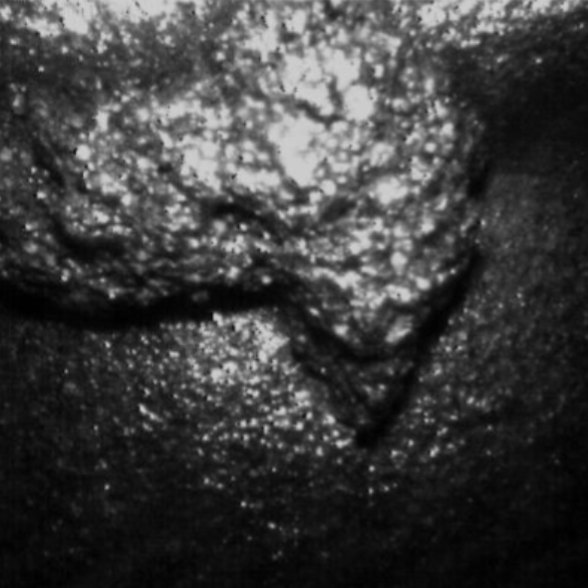
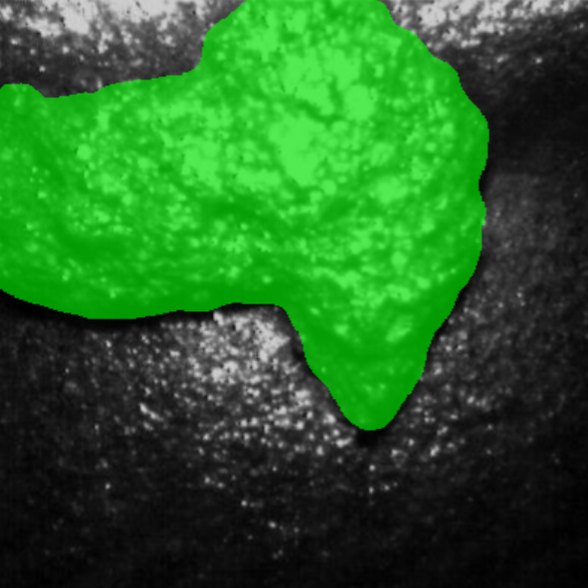
The robot inserts the borescope into every bore and the model marks the defects: ridges in red, grit in blue, lumps in green. Hover over an image to see the original frame.


How we work
No system of ours starts from generic images. It starts from your real non-conforming parts, because those are what the model has to get right.
We analyse your real non-conforming parts and agree what has to be detected.
Cameras, lighting and gripping designed around your part.
Around 50 samples to train the model. Anomaly detection, segmentation or presence checking, often in the same cell.
The model is validated on an independent dataset before it reaches the line.
Every part stays on record with its result and its image, and adds to the dataset.
About us
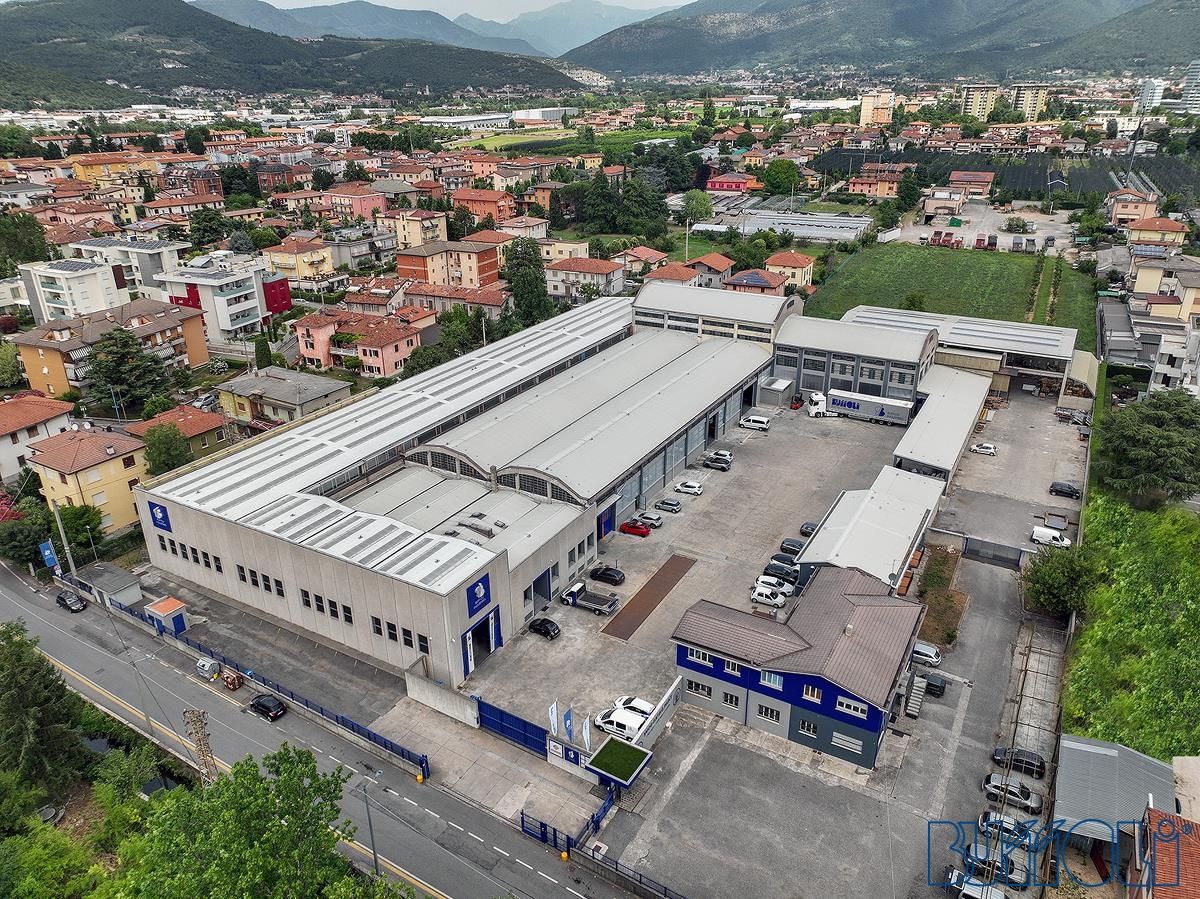
Advanced Robotics was founded in 2020 by Danilo Verzeletti, with thirty years of robotic applications, and the Buffoli brothers, with over sixty years of precision engineering. We are part of the Buffoli Industries group.
We don't sell priority support packages: we build cells that shouldn't need one. In six years we have delivered thirty, almost all to returning customers or by word of mouth.
Robots we integrate: ABB · FANUC · Yaskawa · Estun · KUKA · cobots